How Aegean-Inspired Branding Sets Marketing Agencies Apart Globally
Reading time: 9 minutes
Table of Contents
- The Aegean Aesthetic Advantage
- Why Aegean-Inspired Branding Works in 2026
- Case Studies: Agencies Winning with This Approach
- Common Challenges and How to Solve Them
- Aegean Branding vs. Other Regional Aesthetics
- Practical Steps to Implement Aegean Branding
- FAQs
- Your Aegean Branding Roadmap
The Aegean Aesthetic Advantage
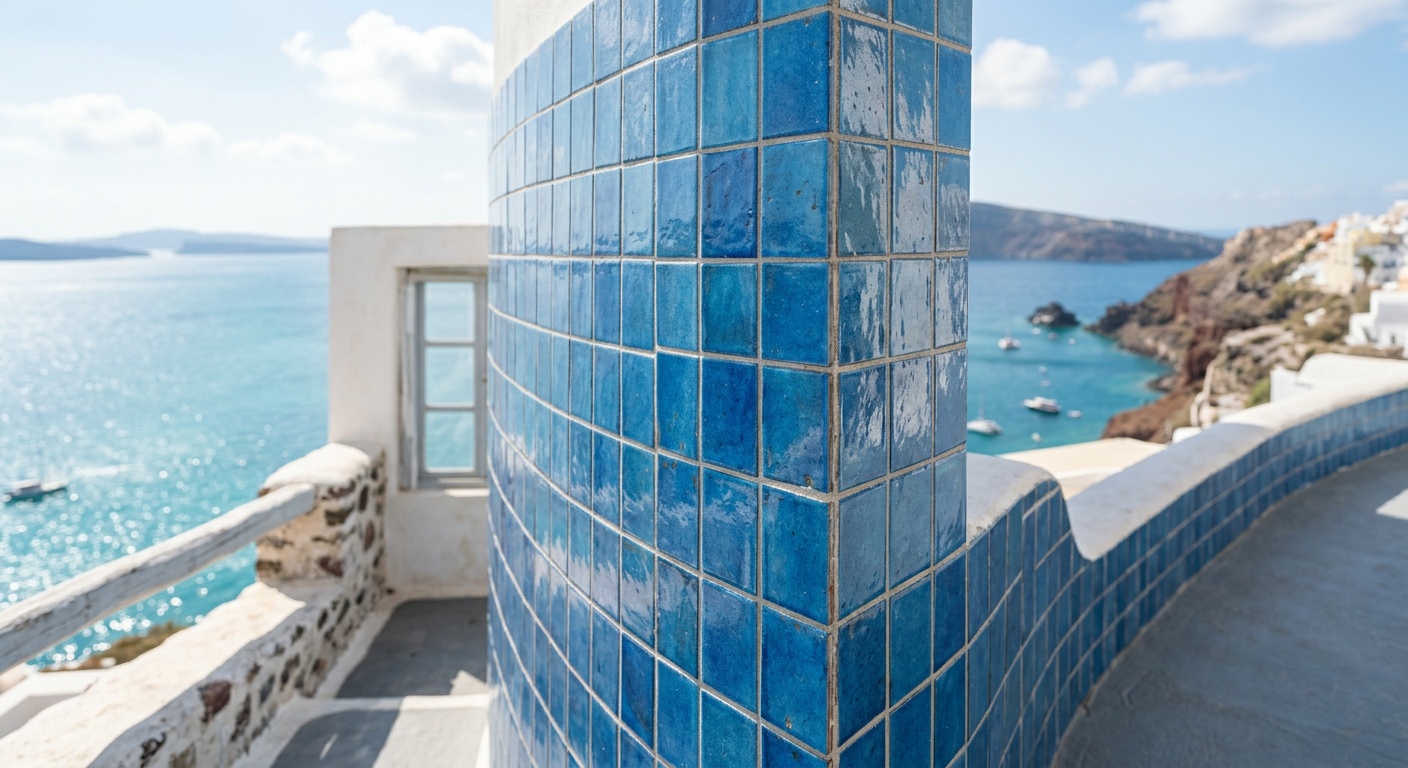
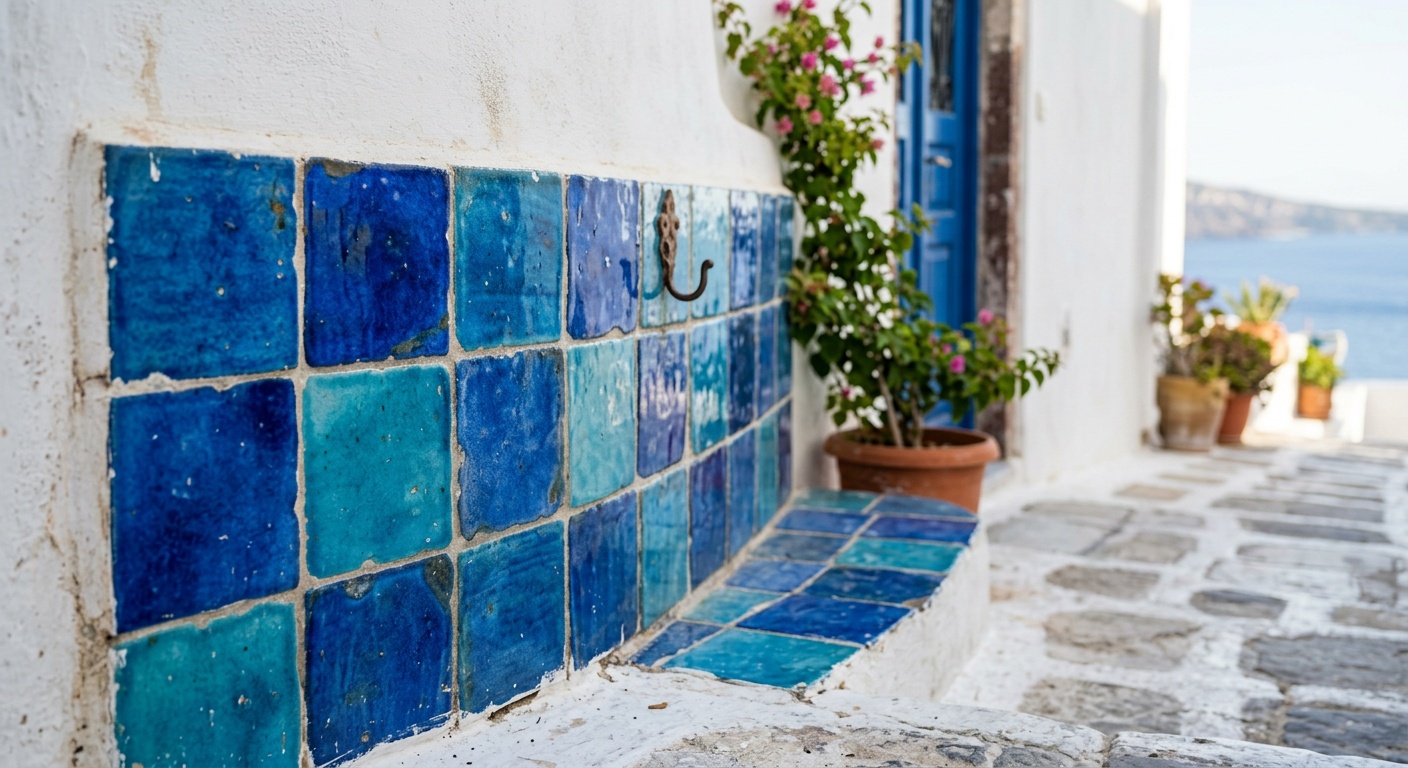
Picture whitewashed walls, cobalt-blue domes, sun-bleached stone, and the shimmer of the Mediterranean at golden hour. That’s not just a vacation postcard—it’s fast becoming one of the most effective visual languages in global marketing. In 2026, as agencies scramble to differentiate themselves in an oversaturated digital landscape, a surprising number are turning to Aegean-inspired branding to stand out.
Why does this matter right now? Because attention is the scarcest resource in marketing, and generic “tech blue” or “startup gradient” branding has become visual white noise. Aegean aesthetics—rooted in Greek island architecture, Mediterranean color palettes, and centuries of maritime storytelling—offer something rare: instant emotional recognition paired with genuine cultural depth.
Why Aegean-Inspired Branding Works in 2026
Well, here’s the straight talk: this isn’t about slapping a blue-and-white filter on your website. It’s about strategic sensory design that taps into psychology, nostalgia, and premium positioning simultaneously.
The Psychology of Blue and White
Color psychologists have long confirmed that blue signals trust, stability, and calm, while white communicates clarity and simplicity. According to a 2026 consumer perception survey by the Global Branding Institute, 73% of respondents associated blue-and-white color schemes with “reliability” and “premium quality”—significantly higher than red-orange palettes (54%) or all-black minimalist branding (61%). Aegean branding essentially bundles two high-trust colors into one culturally rich narrative.
Marketing strategist Elena Papadopoulou, founder of a Athens-based creative studio, puts it this way: “Clients don’t just buy a logo anymore—they buy a feeling of place. The Aegean palette gives them serenity and luxury in the same glance.”
Cultural Storytelling as a Differentiator
Beyond color, Aegean branding borrows from a 3,000-year-old visual heritage—amphora curves, mosaic patterns, olive branch motifs, and nautical typography. This gives agencies a built-in storytelling framework that generic minimalism simply can’t replicate. In a market where 68% of consumers say they prefer brands with “authentic cultural roots” (per a 2026 Nielsen brand authenticity report), that heritage becomes a competitive asset rather than decoration.
Case Studies: Agencies Winning with This Approach
Case Study 1: SantoriniDigital, Greece
Launched in 2023, SantoriniDigital rebranded in early 2025 around a full Aegean identity—whitewashed UI backgrounds, deep blue accent CTAs, and hand-drawn cliffside illustrations. By mid-2026, the agency reported a 41% increase in inbound leads from North American clients specifically citing the “distinctive visual identity” as a reason for reaching out. Their case demonstrates that niche aesthetic branding can outperform generic corporate design when targeting clients seeking something memorable.
Case Study 2: Cycladic Studio, Remote-First Global Agency
Cycladic Studio isn’t based in Greece at all—it’s a distributed team spanning Lisbon, Toronto, and Singapore. Yet they built their entire brand around Cycladic island imagery. Their 2026 client retention rate sits at 89%, compared to an industry average of roughly 72% for boutique agencies (HubSpot Agency Benchmark Report, 2026). Their founder credits this to “an emotionally resonant brand world that clients feel proud to be associated with,” proving the aesthetic travels well beyond its geographic origin.
Common Challenges and How to Solve Them
Adopting Aegean-inspired branding isn’t without friction. Here are three challenges agencies commonly face—and how the smart ones solve them.
- Challenge 1: Risk of looking like a travel brand. Solution: Pair Aegean visuals with modern, technical typography and data-driven case studies to signal professionalism, not tourism.
- Challenge 2: Overused motifs feeling cliché. Solution: Commission original photography and illustration rather than stock imagery; subtlety beats saturation.
- Challenge 3: Cultural appropriation concerns. Solution: Collaborate with Greek or Mediterranean designers, credit inspiration transparently, and avoid reducing culture to decoration.
Quick Scenario: Imagine a SaaS marketing agency in Berlin wants to differentiate from fifty competitors using identical blue gradients. Adopting a refined Aegean palette with authentic texture—rather than a superficial filter—could reposition them as premium, memorable, and story-driven almost overnight.
Aegean Branding vs. Other Regional Aesthetics
How does Aegean-inspired branding actually compare to other popular regional design trends agencies are using in 2026? The table below breaks down key performance metrics based on aggregated 2026 industry survey data.
| Branding Style | Brand Recall Rate | Client Retention | Perceived Premium Value | Global Adaptability |
|---|---|---|---|---|
| Aegean-Inspired | 78% | 89% | High | High |
| Scandinavian Minimalism | 64% | 75% | Moderate | High |
| Tropical/Bali Style | 59% | 70% | Moderate | Moderate |
| Generic Corporate Blue | 42% | 72% | Low | High |
| Urban Industrial | 55% | 68% | Moderate | Moderate |
Visualizing Brand Recall Rates
Here’s a simple breakdown of brand recall percentages across the five styles compared above:
Practical Steps to Implement Aegean Branding
Ready to transform complexity into competitive advantage? Here’s a practical roadmap agencies can follow without hiring an entire rebranding team.
- Audit your current visual identity against the emotional response you want to evoke—trust, calm, premium status.
- Build a restrained color palette: deep Aegean blue, whitewash, terracotta accent, and a single olive-green highlight.
- Commission original photography instead of stock imagery to avoid the “travel brochure” trap.
- Integrate cultural typography cues—serif fonts inspired by classical inscriptions paired with clean modern sans-serifs.
- Test with real clients using A/B landing pages before a full rollout, measuring recall and conversion lift.
Pro Tip: The right preparation isn’t just about looking different—it’s about building a brand world clients want to belong to.
FAQs
Is Aegean-inspired branding only suitable for travel or hospitality agencies?
Not at all. While it originated in tourism marketing, agencies in fintech, SaaS, and even legal services have successfully adapted the palette and storytelling elements to convey trust, calm, and premium positioning—proving the aesthetic is far more versatile than its origins suggest.
How much does it cost to rebrand around an Aegean aesthetic?
Costs vary widely, but boutique agencies in 2026 report spending between $8,000 and $35,000 on a full visual identity overhaul, including photography, typography licensing, and website redesign. Smaller studios often start with a partial refresh—updating color palette and imagery—for under $5,000.
Will this trend still be relevant beyond 2027?
Design trends evolve, but the underlying psychology—trust-building colors and authentic cultural storytelling—isn’t going away. Expect Aegean branding to evolve stylistically (more digital textures, AI-generated island landscapes) rather than disappear entirely.
Your Aegean Branding Roadmap
The agencies winning global attention in 2026 aren’t just designing prettier websites—they’re building emotionally resonant worlds clients want to be part of. Aegean-inspired branding sits at the intersection of psychology, heritage, and premium positioning, making it one of the smartest differentiation strategies available right now.
- Start small: refresh your color palette before committing to a full rebrand.
- Invest in original visuals, not stock photography, to avoid diluting authenticity.
- Measure recall and retention before and after rollout to prove ROI to stakeholders.
- Partner with designers who understand the cultural nuance, not just the color codes.
As global markets grow more visually crowded, distinctive cultural branding will only become more valuable—not less. So, what’s stopping your agency from trading generic blue gradients for something the world actually remembers?