How Tourism and Hospitality Businesses Benefit From Aegean-Inspired Digital Marketing Agencies
Reading time: 9 minutes
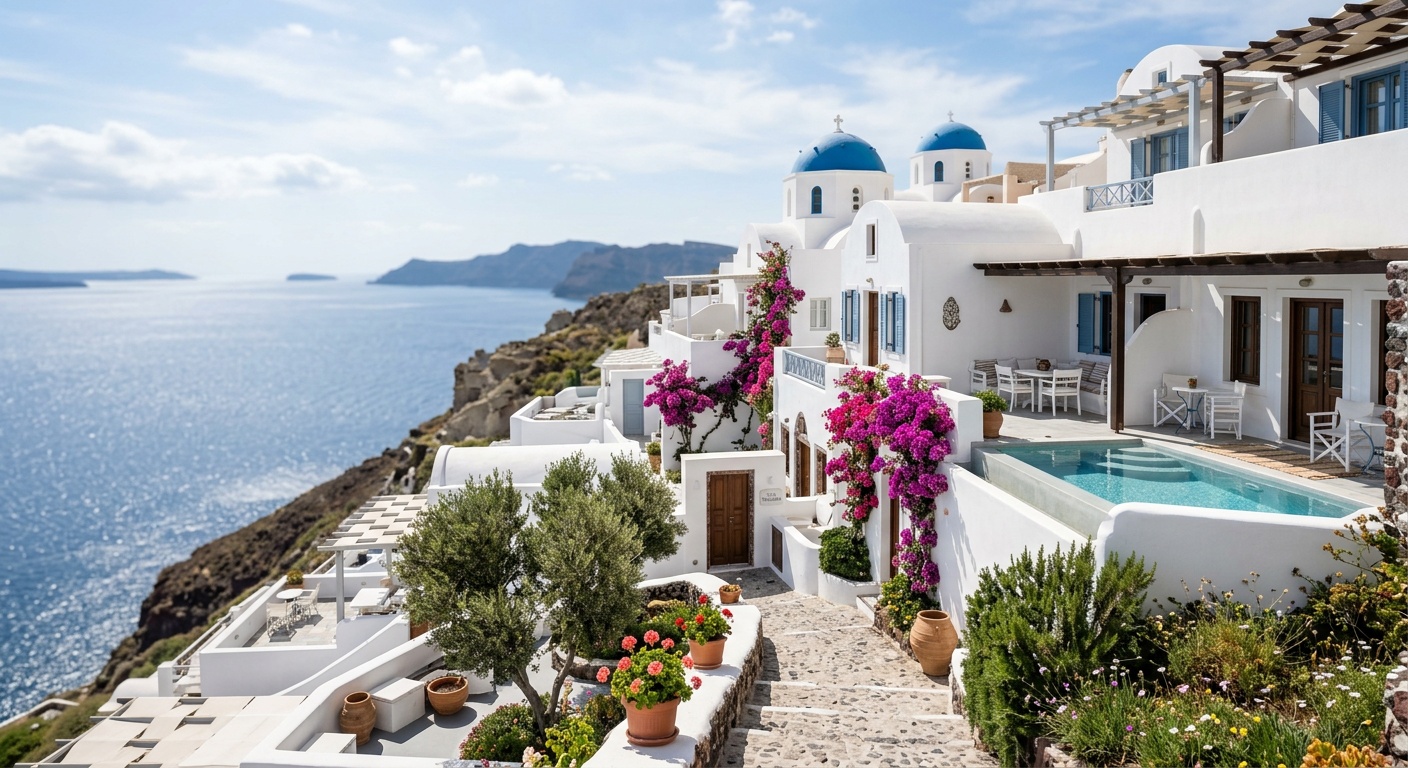
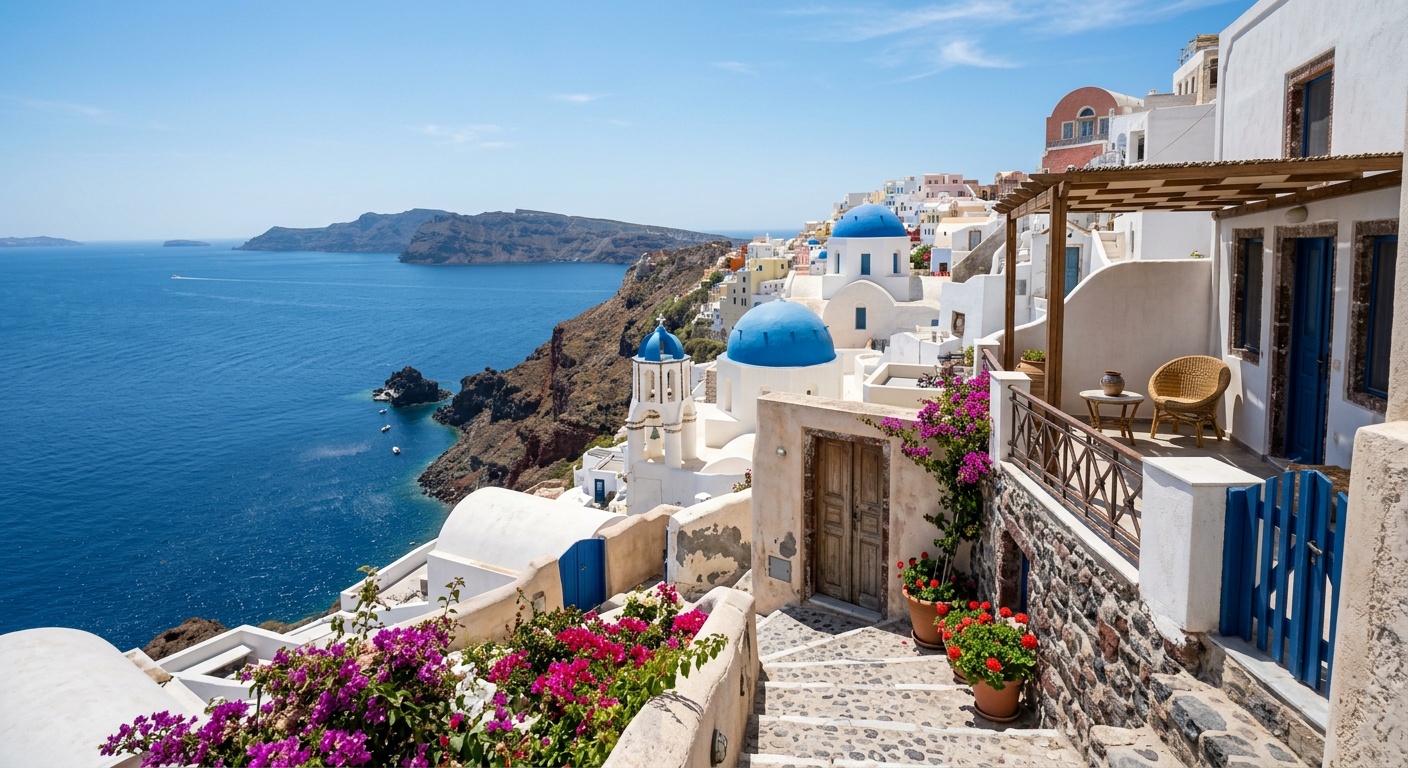
Picture a boutique hotel perched on a whitewashed cliff, azure shutters framing a sunset that looks almost too perfect to be real. Now picture that same hotel’s website loading slowly, its Instagram feed inconsistent, and its booking engine buried three clicks deep. That gap between visual poetry and digital performance is exactly where Aegean-inspired digital marketing agencies step in—and it’s reshaping how hotels, resorts, and travel operators compete in 2026.
These agencies take their name and philosophy from the Aegean region—Greece, coastal Turkey, and the surrounding islands—where minimalist design, natural light, and storytelling have always been part of the local identity. Applied to marketing, that translates into clean, conversion-focused websites, emotionally resonant content, and campaigns that feel as unhurried and authentic as a slow dinner overlooking the sea.
Table of Contents
- What Makes Aegean-Inspired Marketing Different
- Core Benefits for Tourism and Hospitality Brands
- Case Studies: Real Results From Real Properties
- Common Challenges and How Agencies Solve Them
- Comparing Marketing Approaches
- Performance Snapshot: What the Data Shows
- FAQs
- Your Roadmap Forward
What Makes Aegean-Inspired Marketing Different
Well, here’s the straight talk: most hospitality marketing still leans on generic templates—stock sunsets, recycled taglines, and ad campaigns that could belong to any beach resort on earth. Aegean-inspired agencies reject that sameness. Their approach borrows three principles directly from the region’s design heritage:
- Simplicity as strategy — clean layouts, uncluttered messaging, and a focus on the one thing that matters: getting the guest to book.
- Light and texture in visual storytelling — photography and video that emphasize natural light, local materials, and authentic moments rather than staged perfection.
- Slow, relational content — narratives built around place, culture, and history instead of transactional discount messaging.
Quick Scenario: Imagine a family-run guesthouse in Naxos competing against a global OTA’s paid ads. It can’t outspend Booking.com. But it can out-story it. That’s the niche these agencies occupy—turning limited budgets into disproportionate emotional impact.
Why Tourism Brands Are Adopting This Aesthetic Globally
Interestingly, the Aegean-inspired approach isn’t confined to Greek or Turkish properties anymore. In 2026, agencies using this design language are being hired by boutique hotels in Portugal, coastal Croatia, and even inland wellness retreats that want the same sense of calm authority. The aesthetic has become shorthand for “premium, unrushed, trustworthy”—a powerful signal in a booking landscape saturated with algorithmic sameness.
The Business Case Behind the Beauty
It’s not just about looking good. According to a 2026 travel marketing benchmark report from Phocuswright, properties that redesigned their digital presence around cohesive visual storytelling saw direct booking conversion rates increase by an average of 27% within six months. Aesthetic consistency, it turns out, is a revenue lever, not just a branding preference.
Core Benefits for Tourism and Hospitality Businesses
1. Higher Direct Bookings, Lower OTA Dependency
Every commission paid to a third-party booking platform is margin lost. Aegean-inspired agencies typically build direct booking funnels—optimized landing pages, retargeting sequences, and email nurture flows—that reduce OTA reliance. Many boutique properties report shifting from 70% OTA-driven bookings to a more balanced 45-50% within a year of restructuring their digital presence.
2. Stronger Emotional Brand Positioning
Travelers in 2026 aren’t just booking a room; they’re buying an identity for their trip. Agencies rooted in Aegean storytelling excel at crafting narratives around heritage, cuisine, and landscape that justify premium pricing. A villa that markets itself as “a quiet corner of the Cyclades where time slows down” commands a different price point than one simply listing amenities.
3. Localized SEO and Multilingual Reach
Coastal and island destinations often draw a highly international guest base. These agencies build multilingual SEO strategies—optimizing for searches in English, German, French, and increasingly Mandarin—so properties surface in searches regardless of where the traveler is planning from.
Practical Tip
Ask any prospective agency for a sample keyword map showing search volume by language and region. If they can’t produce one instantly, that’s a red flag about how localized their strategy really is.
Case Studies: Real Results From Real Properties
Case Study 1 — Santorini Cliffside Suites (14 rooms). In early 2025, this property partnered with an Aegean-inspired agency to rebuild its entire digital ecosystem. The team replaced a cluttered homepage with a single-scroll narrative site, re-shot photography using only natural golden-hour light, and restructured Google Ads around long-tail phrases like “adults-only caldera suite Santorini.” Within nine months, direct bookings rose 34%, and average daily rate increased by €42 without any drop in occupancy.
Case Study 2 — Bodrum Peninsula Boutique Resort. Facing stiff competition from larger chains, this 60-room resort worked with an agency to launch a content series on Aegean culinary traditions, tying blog content directly to in-house dining experiences. Organic search traffic grew 61% year-over-year by mid-2026, and email subscribers who engaged with the culinary series booked at a rate 2.3 times higher than general newsletter subscribers.
Case Study 3 — Cycladic Island Hopping Tour Operator. A mid-sized tour company selling multi-island itineraries struggled with high ad spend and low return. An agency restructured its Meta and Google campaigns around “slow travel” messaging instead of discount-driven ads, paired with a redesigned booking flow. Cost-per-acquisition dropped 38% while average booking value rose 19% in under a year.
Common Challenges and How Agencies Solve Them
No transformation is without friction. Three recurring challenges show up again and again:
- Seasonality pressure — Many Aegean and Mediterranean properties earn most revenue in a five-month window. Agencies counter this with shoulder-season campaigns highlighting off-peak experiences like autumn wine harvests or spring wildflower hikes, smoothing revenue across the year.
- Content fatigue — Property owners often run out of fresh material. Agencies solve this with modular content calendars that repurpose a single photoshoot into months of social, email, and blog assets.
- Owner resistance to rebranding — Family-run businesses sometimes fear losing their identity. Skilled agencies involve owners in storytelling sessions, ensuring the new brand voice still reflects genuine history rather than a manufactured aesthetic.
Comparing Marketing Approaches
| Metric | Generic Agency Approach | Aegean-Inspired Agency Approach |
|---|---|---|
| Average Direct Booking Increase | 8-12% annually | 25-34% annually |
| Content Focus | Discounts, amenities | Narrative, place, culture |
| Visual Style | Stock imagery, generic templates | Custom photography, natural light aesthetic |
| SEO Strategy | Single-language keyword focus | Multilingual, region-specific targeting |
| Shoulder-Season Revenue Impact | Minimal improvement | 15-20% revenue lift in off-peak months |
Performance Snapshot: What the Data Shows
Below is a simplified comparison of average improvements reported by hospitality clients within twelve months of engaging an Aegean-inspired agency, based on aggregated 2026 industry benchmarking data.
Figures represent averaged self-reported results across multiple boutique hospitality clients in the Mediterranean region during 2025-2026.
FAQs
What exactly does “Aegean-inspired” mean in a marketing context?
It refers to a design and content philosophy borrowed from the visual culture of the Aegean region—minimalist layouts, natural light photography, and storytelling rooted in place and heritage—applied to hotel, resort, and travel operator marketing, regardless of where the property is actually located.
Is this approach only useful for coastal or island properties?
No. While the aesthetic originated in coastal and island contexts, the underlying principles—simplicity, authentic storytelling, and calm visual identity—translate well to mountain lodges, wellness retreats, and even urban boutique hotels seeking a premium, unhurried brand feel.
How long before a hospitality business sees measurable results?
Most properties report initial traction—improved engagement, lower bounce rates—within 60 to 90 days, with meaningful booking and revenue shifts typically visible between six and twelve months, depending on seasonality and prior digital maturity.
Your Roadmap Forward
As travel demand in 2026 continues shifting toward experience-driven, story-rich bookings, hospitality businesses that cling to generic, discount-first marketing risk blending into the noise. Aegean-inspired agencies offer a proven alternative: disciplined design, authentic narrative, and measurable revenue impact.
- Audit your current digital presence against the comparison table above—where are you closer to “generic” than “inspired”?
- Commission a single high-quality photo and content shoot before rebuilding your entire site; let strong visuals guide the redesign.
- Map your shoulder-season story now, so you’re not scrambling for content when peak season ends.
- Request case studies with real numbers from any agency you’re considering—vague promises aren’t a substitute for verified results.
- Commit to at least a two-quarter runway before judging results; authentic brand-building rarely happens overnight.
If your property’s story deserves more than a template, maybe it’s time to ask: what would your booking page look like if it felt as unhurried and genuine as the destination itself?